
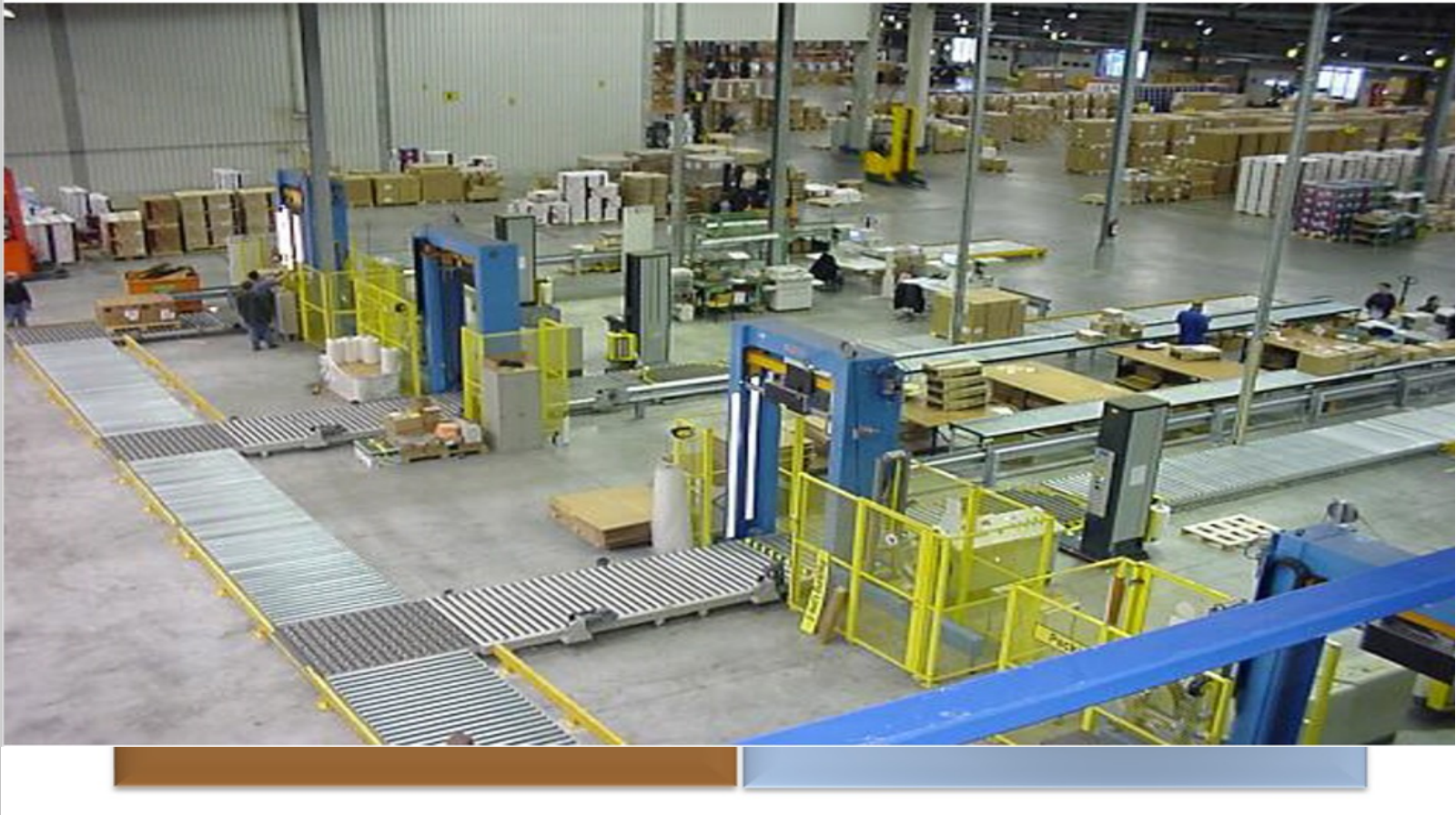
Packaging plays a critical role in various industries, ensuring products are protected, stored, and transported efficiently. Industrial packaging equipment is essential for optimizing packaging processes, reducing labor costs, and improving overall productivity. This guide explores different types of industrial packaging equipment, their benefits, and their applications across various industries.
- 1. Introduction to Industrial Packaging Equipment
Industrial packaging equipment encompasses a range of machines designed to automate the packaging process. These machines handle tasks such as filling, sealing, wrapping, palletizing, and labeling. They can be used in a variety of industries, including food and beverage, pharmaceuticals, chemicals, and manufacturing.
The main goal of industrial packaging equipment is to ensure that products are packaged securely and efficiently while minimizing material waste. With the growing demand for high-speed production and sustainable practices, companies are increasingly investing in advanced packaging equipment to stay competitive.
- 2. Types of Industrial Packaging Equipment
There are several types of industrial packaging equipment available, each suited to specific packaging needs. Below are some of the most common types:
- a. Filling Machines
Filling machines are used to fill containers with products such as liquids, powders, granules, or paste. They come in various configurations, including:
Liquid filling machines: Ideal for filling beverages, chemicals, oils, and other liquid products.
Powder filling machines: Used for filling products like flour, spices, and other powdered substances.
Granule filling machines: Suitable for products like grains, seeds, and pellets.
These machines can be designed for both small-scale and large-scale production, and some can even be customized to handle multiple types of products.
- Sealing Machines
Sealing machines are used to close and seal packaging materials, ensuring that the contents remain secure. Common types include:
Heat sealers: Utilize heat to fuse the packaging material (usually plastic) and create a tight seal.
Vacuum sealers: Remove air from the package before sealing, which helps in extending the shelf life of perishable products.
Induction sealers: Use electromagnetic induction to create a seal, often used for sealing containers with lids.
Sealing equipment is crucial in industries like food processing, pharmaceuticals, and electronics, where maintaining product integrity is essential.
- Wrapping Machines
Wrapping machines are designed to cover products with a protective film, such as plastic wrap. The main types include:
Stretch wrapping machines: Wrap a stretchable plastic film around products, commonly used for palletizing goods.
Shrink wrapping machines: Use heat to shrink a plastic film around a product, providing a tight and secure wrap.
Banding machines: Wrap a narrow band around products to hold them together, often used for bundling newspapers, boxes, or other items.
Wrapping ensures products are protected from dust, moisture, and other external factors during transportation and storage.
- Labeling Machines
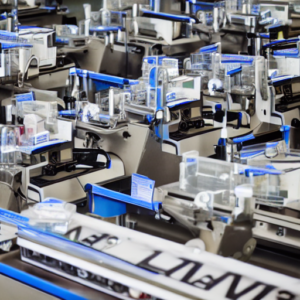
Labeling machines apply labels to packaging, providing essential information such as product name, barcode, ingredients, and expiration dates. They are used across multiple industries to meet regulatory requirements and enhance brand visibility.
Labeling equipment can be automated for high-speed production lines, ensuring accuracy and consistency.
- Palletizing Machines
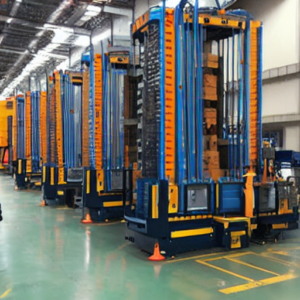
Palletizing machines automate the process of stacking packaged goods onto pallets for shipping. There are different types of palletizers:
Robotic palletizers: Use robotic arms to pick up and place products on pallets, offering flexibility and precision.
Conventional palletizers: Use mechanical arms to stack products, suitable for high-speed operations.
Automating the palletizing process helps reduce manual labor and improves warehouse efficiency.
- Benefits of Using Industrial Packaging Equipment
Investing in industrial packaging equipment provides numerous advantages, including:
Increased Efficiency: Automation speeds up the packaging process, allowing businesses to meet high demand with minimal delays.
Reduced Labor Costs: Machines reduce the need for manual labor, lowering overall staffing costs.
Improved Product Quality: Consistent and accurate packaging minimizes the risk of damage or contamination.
Material Savings: Automated systems are more precise, reducing material waste and promoting sustainability.
Enhanced Safety: Using machinery to handle hazardous or heavy products reduces workplace injuries.
- Applications of Industrial Packaging Equipment
Industrial packaging equipment is used in various sectors, each with unique requirements:
- Food and Beverage Industry
In the food and beverage industry, packaging equipment is used to ensure products are sealed hygienically and meet safety standards. Filling machines, sealing machines, and labeling equipment are commonly used to package products like snacks, drinks, sauces, and dairy.
- Pharmaceutical Industry
Pharmaceutical packaging requires high precision and adherence to strict regulations. Equipment like blister packaging machines, capsule filling machines, and labeling machines help maintain product integrity and ensure compliance.
- Chemical and Petrochemical Industry
Packaging equipment in the chemical industry must handle hazardous materials with care. Filling machines for liquids and powders, sealing machines, and industrial drum packaging equipment are often used to safely package chemicals for transport.
- Manufacturing and Automotive Industry
The manufacturing and automotive sectors rely on industrial packaging equipment to pack spare parts, machinery components, and other products. Palletizing and wrapping machines play a crucial role in ensuring products are shipped safely and efficiently.
- Key Considerations When Choosing Industrial Packaging Equipment
When selecting packaging equipment, consider the following factors:
Type of Product: The nature of the product (liquid, powder, fragile) will influence the choice of equipment.
Production Speed: Consider the production rate required to meet demand.
Automation Level: Choose between semi-automatic and fully automatic equipment based on the scale of operations.
Space Requirements: Ensure the equipment fits within the available floor space in the facility.
Budget: Balance initial investment costs with long-term benefits and potential savings.
- Trends Shaping the Industrial Packaging Equipment Industry
The industrial packaging equipment industry is continuously evolving, with several key trends driving innovation:
Sustainability: There is a growing demand for packaging solutions that minimize waste and use eco-friendly materials.
Digitalization and Industry 4.0: Smart packaging machines equipped with IoT capabilities enable real-time monitoring and predictive maintenance.
Customization: Companies are seeking machines that can handle a variety of packaging styles and materials to cater to diverse product lines.
Flexible Automation: Advances in robotics and machine learning are making packaging equipment more adaptable to changing production needs.
- Conclusion
Industrial packaging equipment plays a vital role in enhancing productivity, reducing costs, and ensuring product safety across various industries. By understanding the types of equipment available and their benefits, businesses can make informed decisions that lead to improved packaging processes and better overall performance.
Investing in the right industrial packaging equipment not only boosts efficiency but also helps companies stay ahead in a competitive market by meeting evolving packaging demands and sustainability goals.